Plug-in Solar Safety: RCDs, Sockets and UK Wiring
Is plug-in solar safe? How UK certification, RCD-protected sockets and the no-extension-lead rule keep it safe - plus where you must not mount it.
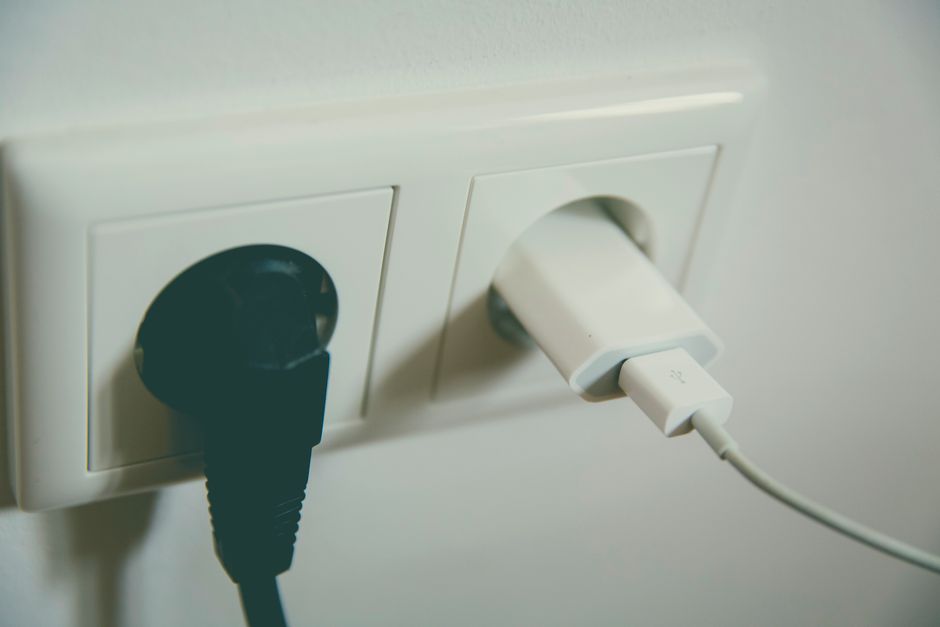
The safety of plug-in solar rests on one idea: the whole kit is certified as a unit, so the panel, inverter, cable and plug are designed to work together within the UK's electrical rules. Get a certified kit and follow a short list of do-nots, and it is a low-risk device. Cut corners with imports or adaptors and you lose the protection the certification provides.
These rules take effect on 27 August 2026, when plug-in solar becomes legal in the UK. For the wider picture, see our complete plug-in solar guide. This is general guidance, not electrical advice - if in doubt, consult a qualified electrician.
Is plug-in solar safe?
A compliant kit is designed to be. To be legal it must meet DESNZ's Interim Product Specification (IPS), which covers electrical design, the BS 1363 three-pin plug, mounting systems and fire protection, built on an established German baseline standard with UK amendments. That whole-product approach is the safety mechanism: a panel, a matched microinverter, and a factory-fitted cable and plug, all tested together.
The risk comes from stepping outside that. Separately-sourced components, imported balcony kits not certified for the UK, or a modified cable are not compliant and have not been through UK testing - which is exactly why the rules require a single certified kit rather than a build-your-own approach.
Do you need an RCD for plug-in solar?
The circuit you plug into should already be protected by an RCD (residual-current device, the safety switch that cuts power on an earth fault). Modern UK socket circuits wired to current standards include RCD protection as standard, so a suitable socket in a reasonably up-to-date property already has this layer.
What you must not do is add an RCD adaptor to the factory-fitted cable. The rules require the kit's own plug to go directly into the socket, not through an adaptor of any kind. If you are unsure whether your circuits have RCD protection - common in older homes - that is a question for an electrician before you install.
Can you use an extension lead for plug-in solar?
No. The factory-fitted AC cable must plug straight into the wall socket - it cannot be extended with an extension lead, a multi-way adaptor, or an RCD adaptor. This is a hard rule, not a preference: extension leads and adaptors introduce connection points, heat and failure modes the kit was never certified with.
In practice this means planning where the panel goes around a socket within reach of its fixed cable, rather than the other way round. If the nearest socket is too far, the answer is a properly installed socket by an electrician, not a lead trailing across a balcony.
Where is it unsafe to mount plug-in solar?
The fire-safety rules exclude several mounting surfaces outright. A compliant kit must not be installed on ACM or metal-composite cladding, high-pressure laminate cladding, timber cladding, or timber balconies - all materials associated with fire spread. If your balcony or wall is one of these, plug-in solar is not for that spot, regardless of anything else.
Beyond the banned surfaces, mount panels securely so wind cannot dislodge them, keep the inverter ventilated, and keep cables clear of pinch points and water pooling. The mounting system that comes with a certified kit is part of what was tested, so use it rather than improvising a fixing.
What keeps the grid connection safe?
A certified microinverter includes anti-islanding protection: if the grid loses power, the inverter automatically stops feeding electricity into the wiring within a fraction of a second. That prevents it from energising a circuit that someone - a neighbour or a network engineer - might believe is dead, which is the core electrical-safety concern with any home generator.
That protection is one reason the G98 notification to your network operator exists and why only certified kits qualify. Battery storage is deliberately excluded from the 2026 rules, so a compliant plug-in system generates and offsets in real time only.
Frequently asked questions
Is it safe to plug solar into a normal socket?
Can you use an extension lead with plug-in solar?
Do you need an electrician for plug-in solar?
Can plug-in solar cause a fire?

Plug-in Solar in the UK: The Complete 2026 Guide
Do You Need Planning Permission for Plug-in Solar?
The UK Plug-in Solar 2026 Rule Change
Get the full picture
The complete UK plug-in solar guide covers the rules, certified kit, and every safety step in order.