Can You Add a Battery to Plug-In Solar in the UK?
Plug-in solar batteries are not yet legal for UK socket use - the 2026 spec covers panels only. What you can do today, and what needs an installer.
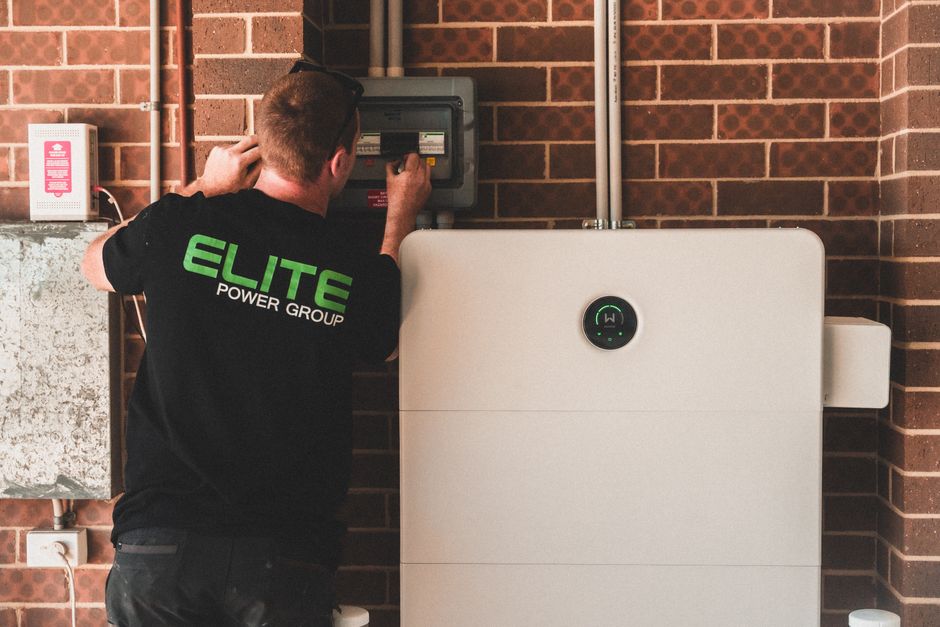
A plug-in solar battery - a compact unit that stores your kit's midday surplus and releases it through the same socket in the evening - is the purchase most balcony solar owners start researching within weeks of the panels going up. In Germany you can buy one off the shelf. In the UK, as of September 2026, you cannot legally plug one in. Here is exactly where the legal line sits, what would need to change, and what you can honestly do about storage in the meantime.
What did the 2026 rule change actually legalise?
Plug-in solar became legal in the UK on 27 August 2026 under SI 2026/848 (the statutory instrument that lifted the effective ban on socket-connected generation). Alongside it, Amendment 4 to BS 7671 (the UK wiring regulations) set the technical guardrails, including the 800W per-home cap on plug-in generation.
The permission is narrower than much of the coverage suggested. It applies only to kits certified to the government's Plug-in Solar Device Interim Product Specification (the technical standard a device must meet before it may lawfully be plugged in). Read the name carefully: it is a specification for plug-in solar devices. It describes panels, a microinverter and a plug. It says nothing about storage.
That wording is the whole answer to the battery question. A device type the specification does not cover cannot be certified against it, and a device that is not certified cannot legally be connected through a socket. Our guides to the 2026 legality rules and what changed on 27 August cover the generation side in detail.
Are plug-in solar batteries legal in the UK?
Not for socket use. To be precise about what the law regulates: buying or owning a battery is not restricted, and never has been. The regulated act is connecting a device that exports power into your home's wiring through an ordinary socket. Since 27 August 2026 that is lawful for one category of device only: plug-in solar kits certified to the Interim Product Specification.
A plug-in battery exports stored power through the socket, which makes it exactly the kind of device the certification regime exists to control. And there is currently no route to certify one, because the specification's scope is generation, not storage.
The same logic catches imported kit. A German balcony system with an integrated battery fails on two counts: the battery function sits outside the specification entirely, and German certification does not make a device compliant with the UK scheme. Uncertified imports were the explicit target of the certification requirement, and they remain illegal to plug in. Treat any listing that describes a storage product as UK socket-ready with the same scepticism you would apply to an uncertified panel kit, and check the certification register before believing it.
When might plug-in batteries become legal?
Plug-in storage is the signalled second phase of the UK's plug-in solar programme. The work that produced the Interim Product Specification deliberately started with the simpler case - generation-only devices - and flagged socket-connected storage as the category to address next. What does not exist yet is a specification for it, a certification route, or a date.
Germany is the reference point for what that second phase could look like. Its balcony solar market, with more than 1.3 million registered systems, now supports a mature range of plug-in batteries that sit between the panels and the socket and are treated by regulators as part of the same small-device regime. That is the model the UK may follow. It is not something a UK household can copy today, because none of that German hardware can lawfully be connected here.
Our guide to what the UK can learn from Germany covers the wider story. The practical advice for battery-curious owners is short: watch GOV.UK and the certification register rather than retailer marketing, because the register is where a legal plug-in battery will appear first.
AC-coupled plug-in battery vs a home battery: what is the difference?
The two products solve the same problem at very different scales, and it helps to know which one you are actually shopping for.
A plug-in battery of the kind sold in Germany is AC-coupled: it charges from and discharges into ordinary mains circuits through a plug, with its own small inverter doing the conversion each way. Typical units store 1 to 2 kWh, cap their output at a few hundred watts to stay inside the same limits as the panels, and are designed for owner installation - no electrician, no dedicated circuit. It is storage sized to a balcony kit, and priced like buying the kit again.
A home battery is a different class of equipment. Typical UK systems store 5 to 13 kWh, are wired into a dedicated circuit at the consumer unit by a qualified installer, and work with any generation source or none at all - many owners charge them from cheap overnight tariffs rather than solar. They fall under the established connection rules for energy storage rather than the new plug-in regime, which is why they were legal long before 27 August 2026 and remain legal now.
Our solar battery storage primer walks through AC and DC coupling, sizing and payback for full installs; this page stays with the plug-in question.
What needs an electrician, and what needs the DNO?
The paperwork splits cleanly by device class, and the DNO (Distribution Network Operator - the company that runs your local grid) sits at the centre of all of it.
A certified plug-in solar kit needs no electrician.
You still notify your DNO under G98 (the connection-notification process for small generators), and the kit's certification paperwork is designed to make that a form-filling exercise. Our jargon guide explains G98 and G99 in plain English.
A home battery install is the installer's job end to end.
A dedicated circuit, work at the consumer unit, and the DNO notification - G98 for systems exporting up to 3.68kW, a G99 application above that - all handled on your behalf by a qualified installer.
A plug-in battery has no route at all today.
So the question does not arise yet. When a storage specification lands, expect the same pattern as panels: certification plus notification rather than an electrician.
Is storing a few hundred watts worth it?
Suppose plug-in batteries were legal tomorrow. The maths deserves an honest look before you queue up to buy one, because storage at this scale carries two structural handicaps.
The first is round-trip loss. Every kilowatt-hour you park in a lithium battery comes back smaller: lithium iron phosphate systems return around 90% of the energy you put in, and a small AC-coupled unit converts twice - into the battery and back out again - so it sits at the lossier end of that range. You pay to lose a slice of energy you already generated.
The second is scale. An 800W kit rarely has 800W spare. After your home's daytime base load - fridge, router, standby devices - the exportable surplus on a sunny day is typically a few hundred watts for a few hours. That is the entire raw material a plug-in battery has to work with.
None of this makes storage pointless. It makes it a marginal upgrade to a system whose economics are driven by self-consumption. Using the power as you generate it achieves the same thing as a battery, with zero losses and zero capital cost, which is why our savings guide puts timing ahead of hardware.
What can you do today?
Fit a certified kit sized to your daytime demand.
The closer generation sits to what the house uses at midday, the less surplus there is to store in the first place. The certification register guide shows how to verify a kit before buying.
Shift flexible loads to the middle of the day.
Washing machines, dishwashers and chargers on timers soak up surplus for free - the zero-cost version of a battery.
Charge a portable power station from the wall while the sun is out.
Charging is ordinary consumption, so it is entirely legal, and you run devices from the station's own outlets in the evening. What you cannot do is feed its stored power back through the socket. Our portable and garden solar guide covers these units.
Go straight to an installed home battery if you want meaningful storage.
Legal now, sized in kilowatt-hours rather than watt-hours, and it unlocks cheap overnight tariff charging as well. The storage primer covers sizing and payback.
Wait for the second phase before buying any plug-in battery.
Judge products by the certification register, not the product page.
Sources and how this page is maintained
The regulatory statements on this page rest on two documents: SI 2026/848 on legislation.gov.uk, which made certified plug-in solar legal from 27 August 2026, and the government's plug-in solar consultation and Interim Product Specification on GOV.UK, which defines what a certified device is. Both were checked on 11 September 2026. This page describes the law as it stands on that date and will be updated when a storage specification is published.
Frequently asked questions
Can I plug a German balcony battery into a UK socket?
Is it illegal to own a plug-in solar battery in the UK?
Can I add a battery inside my certified plug-in kit?
Can a portable power station do the same job as a plug-in battery?
When will plug-in batteries be legal in the UK?
Solar Battery Storage Explained for UK Homes

Which Plug-In Solar Kits Are Certified in the UK?

Balcony Solar: What the UK Can Learn From Germany